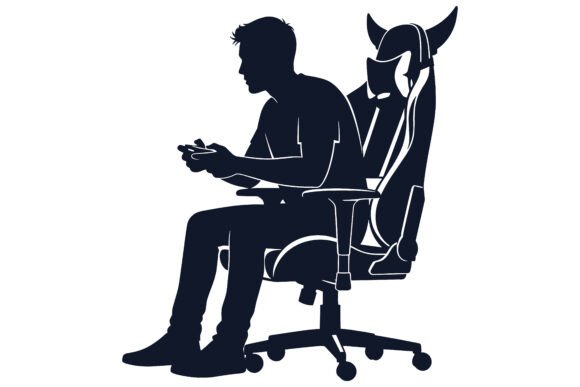
Modern Gaming Desk Setup Silhouette
A modern gaming desk setup silhouette captures something immediate and recognizable. It strips away color, branding, and fine detail, leaving only the essential outline of a workstation built for digital performance. The shape of a monitor, the angle of a desk, the profile of a chair, and the arrangement of peripherals become a single graphic statement. What makes this visual concept useful is not just its aesthetic appeal but its ability to communicate the structure and priorities of a contemporary gaming or remote work environment in an instant.
For anyone researching, comparing, or planning a workspace upgrade, the modern gaming desk setup silhouette offers a starting point that is both practical and symbolic. It represents a blend of technology, ergonomics, and personal style. This article examines the silhouette concept not as a design trend alone, but as a lens through which to evaluate real-world desk setups, their benefits, their limitations, and whether this visual language aligns with your actual needs.
Understanding the Modern Gaming Desk Setup Silhouette
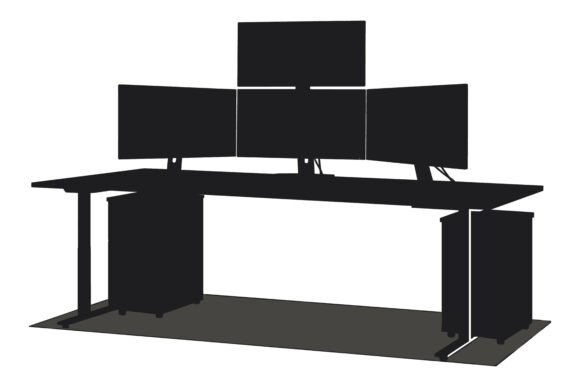
At its core, a modern gaming desk setup silhouette is a simplified vector or graphic illustration showing the contours of a desk-based gaming or productivity station. These files, often distributed as EPS or JPG formats, isolate the shape of the equipment against a plain white background. The typical silhouette includes a desk surface, one or multiple monitors, a tower or console, a keyboard and mouse area, and sometimes a chair or headset. Everything is rendered in solid black with no internal detail.
This minimalist treatment serves several purposes. Designers use these silhouettes in concept presentations, website mockups, and branding materials. Gamers and remote workers encounter them in setup inspiration galleries, equipment reviews, and organizational guides. The clean, isolated graphic communicates the idea of a workspace without distracting the viewer with specific product models or color schemes. It focuses attention on layout, proportion, and the relationship between components.
The silhouette also functions as a planning tool. By stripping away decoration, it allows someone to assess the spatial footprint of a multi-monitor display, the relative height of a desk, or the placement of peripherals. A well-composed silhouette suggests intentionality: the desk is uncluttered, cables are absent from view, and the monitor arrangement follows deliberate ergonomic principles.
Why the Silhouette Holds Practical Appeal
People gravitate toward the modern gaming desk setup silhouette for reasons that go beyond visual preference. One practical draw is neutrality. A black isolated graphic on a white background does not favor any specific brand ecosystem. It avoids locking the viewer into a particular product line, which makes it useful during early research phases when someone is still comparing options across manufacturers.
Another reason involves clarity of communication. Content creators, streamers, and tech reviewers often need to represent a generic gaming or workstation layout without implying endorsement of a particular product. The silhouette solves this by offering a recognizable yet anonymous representation. Viewers understand the type of setup being discussed without being influenced by a branded image.
Organization and planning also benefit. When sketching out a room layout or deciding between a single monitor and a multi-monitor configuration, seeing the silhouette of each option makes the spatial tradeoffs concrete. The vector format allows easy scaling, so someone can mock up different display arrangements and desk sizes before making a purchase. This reduces the risk of buying equipment that does not fit the intended space.
Evaluating the Setup Behind the Silhouette
The graphic is only as useful as the workspace it represents. A modern gaming desk setup silhouette often depicts an idealized scenario: monitors perfectly aligned, cables completely hidden, surfaces free of clutter, and every component positioned for maximum comfort and visual impact. Real workstations, however, involve compromises. Understanding the gap between the silhouette and daily reality matters for anyone building or upgrading a setup.
Benefits and Strengths
A well-executed gaming desk setup, whether captured in silhouette or fully photographed, offers genuine functional advantages. Ergonomic monitor placement reduces neck strain during long sessions. A spacious desk surface accommodates large mouse pads and provides room for both gaming and productivity tasks. Multi-monitor configurations, especially dual or triple display arrangements, expand screen real estate for streaming, coding, design work, or multitasking between games and communication tools.
The minimalist aesthetic reflected in many silhouettes also supports better focus. Reducing visual clutter can lower cognitive load, helping users stay locked into their activity whether they are competing online or collaborating remotely. Clean cable management, often implied by the crisp edges of a silhouette, prevents tangles and makes cleaning and equipment adjustments easier over time.
Equipment consolidation is another benefit. A well-planned modern setup can serve dual purposes: a high-performance gaming station by night and a professional remote work environment by day. The silhouette of such a setup does not distinguish between leisure and labor, which reflects the blended reality many users now navigate.
Tradeoffs and Limitations
The silhouette omits the challenges inherent in real setups. Cable management, while aesthetically vital, requires time, the right accessories, and ongoing maintenance. Multi-monitor stands need sturdy desk mounting points and precise adjustment. Ergonomic chairs demand proper fit and setup to deliver their promised benefits. None of these nuances appear in a black-and-white vector graphic.
Cost is another invisible factor. The silhouette might suggest a clean, modern workspace, but achieving that look often involves investing in monitor arms, desk trays, routing channels, and possibly custom-length cables. The cumulative expense can surprise someone who starts with only the visual goal in mind. A minimalist silhouette can mask the complexity and budget required to bring the image to life.
Space constraints also play a role. A triple-monitor silhouette looks balanced and spacious, but fitting that arrangement into a small apartment or shared room may force uncomfortable compromises. The graphic provides no sense of scale relative to room dimensions, doorways, or natural light sources that affect screen visibility.
When a Modern Gaming Desk Setup Silhouette Makes Sense
This visual concept aligns especially well with certain goals and situations. People in the early design phase of a home office or gaming room often benefit from using silhouettes to test different layouts. The abstract nature of the graphic encourages thinking about flow and proportion before getting distracted by product features or color schemes.
Content creators and streamers building a recognizable channel identity may use silhouette imagery to maintain a clean, consistent visual brand. The graphic works across thumbnails, overlays, and social media posts without conflicting with sponsor products or personal equipment changes. It provides a stable visual anchor that outlasts individual hardware upgrades.
Remote workers who split their desk between employer-provided equipment and personal gaming gear may find the silhouette concept helps them think about integration. Instead of viewing the two domains as separate, the unified outline suggests a cohesive workstation that supports both professional obligations and personal entertainment without a jarring visual divide.
People who value a clean and simple aesthetic in their digital environment will likely connect with the silhouette approach. It reflects a broader philosophy of reducing visual noise and focusing on essentials, which extends naturally into monitor wallpaper choices, desktop icon organization, and peripheral selection.
When Alternatives Deserve Consideration
The modern gaming desk setup silhouette is not a universal fit. Someone who thrives on color, personalization, and visual stimulation may find the minimalist representation too sterile. Their ideal workspace might involve LED lighting, art prints, figurines, and a deliberately expressive desk layout. A black isolated graphic cannot capture that personality, and pursuing the silhouette ideal might lead to a workspace that feels impersonal or uninspiring.
Users with specialized equipment needs may also need to look beyond standard silhouettes. Flight simulator enthusiasts, music producers, and digital artists often use unique hardware configurations that a generic gaming desk silhouette does not represent. For these individuals, custom planning or 3D modeling offers more accurate layout previews than a simplified vector graphic.
Budget-conscious builders should be cautious about using idealized silhouettes as direct benchmarks. The clean lines imply a level of cable concealment and desk surface quality that may require premium accessories. A more realistic approach might involve accepting some visible organization tools, using budget monitor stands, or adapting existing furniture rather than buying everything new to match a graphic.
Key Considerations for Decision-Making
When deciding whether to use the modern gaming desk setup silhouette as a reference for building or upgrading a workspace, several practical factors deserve attention:
- Actual desk dimensions. Measure the available floor space and compare it to the footprint suggested by silhouette layouts scaled to real-world units.
- Monitor quantity and size. A dual or triple display arrangement requires not just desk width but also sufficient depth to maintain comfortable viewing distances.
- Cable management strategy. Plan routing paths, power outlet locations, and under-desk trays before purchasing equipment. The silhouette hides cables; your setup will have them.
- Lighting conditions. Screen glare from windows or overhead lights affects monitor placement in ways the isolated background cannot show.
- Daily usage pattern. A setup designed purely for gaming may need adjustments if it must also support eight hours of remote work each day.
- Ventilation and access. Towers and consoles need airflow and cable access. Pushing everything flush against walls may look cleaner but harm component performance.
Thinking through these variables before committing to purchases can prevent the frustration of a setup that looks right in silhouette but feels wrong in use.
Integrating Silhouettes Into Research and Planning
Using a modern gaming desk setup silhouette as a planning tool works best when combined with other research methods. Product photos, measurement diagrams, and user reviews fill in the details that the graphic leaves out. The silhouette can serve as a top-level organizational guide, while specific equipment choices are evaluated based on ergonomic data, warranty coverage, and compatibility with existing gear.
Vector formats like EPS offer advantages for scaling and editing within design software. Someone comfortable with basic graphic tools can modify silhouette elements to closely match their planned equipment sizes, creating a custom template that reflects their unique situation. This approach bridges the gap between generic inspiration and personalized planning.
The JPG format provides quick, shareable reference images suitable for mood boards, social media posts, or discussions with collaborators. Both file types have their place in a thorough research process, as long as their limitations are understood.
Making the Choice That Fits
A modern gaming desk setup silhouette offers a clean, focused vision of a digital workspace. It represents organization, intentional design, and the convergence of gaming and professional technology. For many, it is a useful framework during the planning and comparison stages. For others, it is too abstract or restrictive to capture the warmth and personality they want in their daily environment.
The value of this visual concept lies in its ability to prompt thoughtful questions. What matters more: visual simplicity or expressive customization? How much time and budget are realistically available for maintaining a clean setup? Does the workspace need to serve multiple roles throughout the day? Answering these questions honestly leads to a setup that feels right, whether or not it matches the silhouette hanging on the inspiration board.